
Application Exercise 2h: Common Access Resources
Question 1
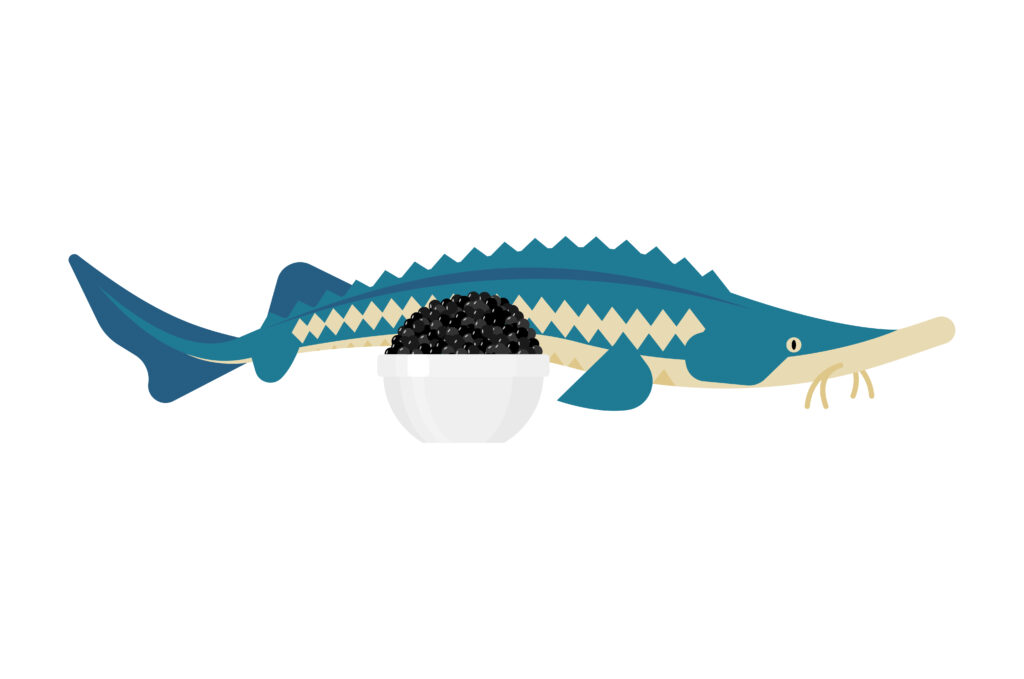
Using the case study, and your knowledge of common access resources, explain why stocks of beluga sturgeon fell to critically low levels.
Common access resources (CAR) possess two characteristics: non-excludability in consumption and rivalry in consumption. The former means it is impossible to exclude non-payers (as there is an absence of prices for CAR) from consuming the resource, while the latter means that one person’s consumption of the resource depletes the availability of the resource for other people. Due to these characteristics common access resources are subject to over consumption or over exploitation as was the case with the beluga sturgeon in the Caspian Sea.
Question 2
Suggest some possible government interventions to curb overfishing to promote inter-temporal efficiency.
Intertemporal efficiency is about striking the right balance between current and future consumption. To curb overfishing to ensure beluga sturgeon are available for future generations to consume in sufficient quantities, the government can introduce: catch limits, size limits and fishing licences to control the consumption of beluga sturgeon to provide the resource the opportunity to replenish itself. That is, regulate the use of the resource.
Question 3
Investigate one other example of common access resources and the action taken by governments to protect it.
Air is also a common access resource that is subject to degradation through pollution. It can be protected through fines being imposed by the EPA on those businesses that breach pollution or air quality controls. Emissions trading schemes (ETS) where a set number of permits are issued to polluting businesses and where the said businesses can buy and sell these permits from/to each other can incentivise them to progressively reduce pollution. For example, a business can sell any unused permits to other businesses that are struggling to contain their pollution below the allowable limit for a profit. Of course, those businesses that are struggling to reduce their pollution will have an incentive to redouble their efforts to reduce their pollution to avoid the cost of having to purchase unused permits from other businesses at the prevailing price in the market for pollution permits.